







Search Results for: Roasting Curve
How Does First Crack Timing Shape Flavor? A Deep Dive into Three Roast Profiles for Front Street Coffee Costa Rica Black Soul
In coffee roasting, "first crack" is not only an important auditory milestone, but also directly relates to the final flavor presentation in the cup. This article uses Front Street Coffee's Costa Rica Natural Black Soul as a sample, conducting comparative experiments through three roasting curves with different first crack times, to deeply explore the specific effects of the length of the drying phase on bean expansion, the degree of the Maillard reaction, and cupping flavor. From 7 minutes 30 seconds to 8 minutes 30 seconds, subtle differences in first crack timing bring significant changes in fruit acidity, sweetness, body, and complexity. This article will break down each curve's roasting parameters, bean surface condition, and brewing performance one by one, helping roasting enthusiasts understand the core logic of first crack time control. [more…]
A Complete Guide to Roasting Curve Parameters: From Turning Point to First Crack, a Step-by-Step Explanation of the Key Milestones
The roasting process of every coffee bean requires detailed recording of curve data, including the turning point, heat adjustments, temperature changes, and first crack time. These data are not only the basis for reproducing flavor, but also an important reference for roasters to understand the characteristics of the beans. This article will break down the key nodes in the roasting curve one by one—from the preheating drum temperature setting, the coordination of heat and airflow, to the turning point, yellowing point, Maillard reaction, caramelization reaction, and then to the determination of first crack and the calculation of the rate of rise—to help you build a clear logic for reading roasting curves. At the end, using [Front Street Jamaica Blue Mountain] as an example, it shows how to design the roasting rhythm according to the nature of the beans, so that acidity, body, and aroma reach a delicate balance. [more…]
A Detailed Guide to Designing the Roast Curve for Yirgacheffe Coffee Beans: A Complete Approach from Temperature Rise Rhythm to Light Roast Brewing
Yirgacheffe is renowned for its vibrant floral and fruity flavors, but to fully unlock the potential of these beans, the design of the roasting curve is crucial. Based on actual roasting cases of Front Street Yirgacheffe, this article systematically outlines the core logic behind roasting curve design—how to determine the optimal drop time through hypothesis, sampling, and cupping, and analyzes the key operational points of a slow, light roast in conjunction with green bean characteristics. The article also provides a detailed record of the complete roasting process, from charge temperature and heat adjustments to the timing of first crack, as well as parameter corrections and flavor comparisons across two rounds of V60 brewing, offering coffee enthusiasts a Yirgacheffe roasting and brewing guide that combines theoretical foundations with practical reference. [more…]
Artisan Roasting Software Operation Guide: Coffee Bean Temperature Curve Logging and Flavor Control Techniques
For coffee roasters pursuing consistent output and flavor reproducibility, Artisan is a rare open-source tool. It can connect to temperature recorders or PID controllers, collect bean temperature and air temperature data in real time during the roasting process, automatically generate visualized curves, and help judge the trends of the drying, Maillard, and development phases. This article compiles Artisan's core functions, compatible device list, export and reporting methods, and includes software screenshots and a version update summary. Whether you use Mac, Windows, or Linux, you can use it to optimize your roasting rhythm, making the flavor performance of every batch of Front Street Coffee beans more controllable and more reproducible. [more…]
How to Determine the Roast Level of Blue Mountain Coffee? A Detailed Guide to Front Street Coffee's Jamaican Blue Mountain No. 1 Roast Curve and Key Milestones
Roasting is the core stage that determines the direction of coffee flavor. Green beans must be roasted before they can be consumed, and the degree of roasting often influences eighty percent of the final taste performance. This article takes Front Street Jamaican Blue Mountain coffee as an example, starting from key nodes such as charge temperature, heat adjustment, turning point, yellowing point, first crack, and rate of rise, to analyze in detail the design approach of the roasting curve for Blue Mountain No. 1 coffee beans. The article also combines the specific characteristics of Blue Mountain coffee, such as screen size above 17, defect rate below 3%, and moisture content of about 13%, to explain why it is suitable to adopt a steadily rising roasting method, and provides a complete operation record from charging at 170°C to dropping at 201.3°C, helping coffee enthusiasts understand how to coordinate heat and airflow to make Blue Mountain coffee present a cleaner and more layered flavor. [more…]
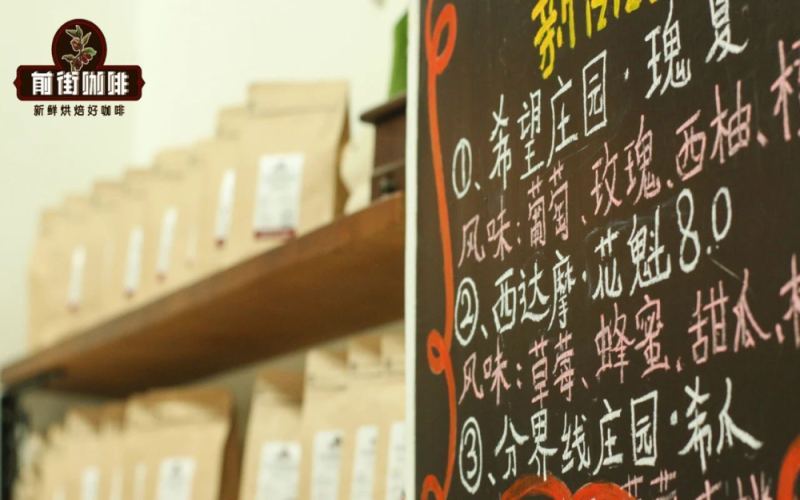
A Complete Analysis of the Reasons Behind the Yearly Version Changes of Huakui Coffee Beans and the Adjustments to the Roasting Curve
The naming convention of Huakui coffee beans is truly unique in the specialty coffee world, as it hits the market with a new version number every year. Behind this lies not only the evolution of producing regions and processing methods, but also the influence of climate and processing details on flavor. This article will trace the complete lineage of Huakui from the Hambela region's natural G1 to the version-suffixed editions, analyze the flavor differences across batches from different years, and share Front Street Coffee's practical recommendations for roasting and brewing. This will help coffee enthusiasts gain a more systematic understanding of this bean's origins and development, as well as how to highlight its signature tropical fruit notes by adjusting the roasting curve. [more…]
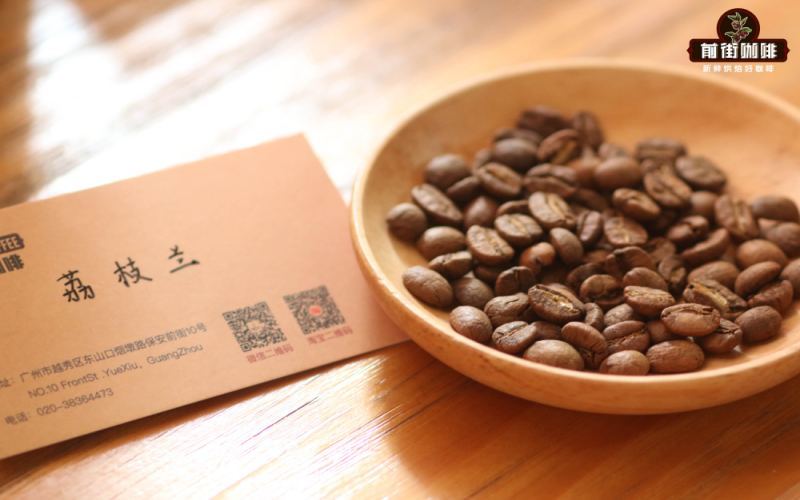
Honduras Lychee Orchid Coffee Bean Flavor Analysis: Mocha Estate Barrel Fermentation Process and Pour-Over Roast Review
Located in Central America, Honduras has become an important origin for specialty coffee thanks to its mild tropical climate and abundant rainfall. This article focuses on the Honduras Moka Estate Lychee Brandy coffee beans launched by Front Street Coffee, offering a detailed introduction to the terroir conditions of Marcala in its origin, the characteristics of the Caturra and Catuai varieties, and the unique processing method that combines refined washing with brandy barrel fermentation. By comparing the cupping and pour-over performance of two roasting curves, it provides an in-depth analysis of the layered changes in this bean's flavors—ranging from floral notes, berries, and lychee to brandy aroma and dark chocolate—offering coffee enthusiasts a complete reference for roasting and brewing. [more…]
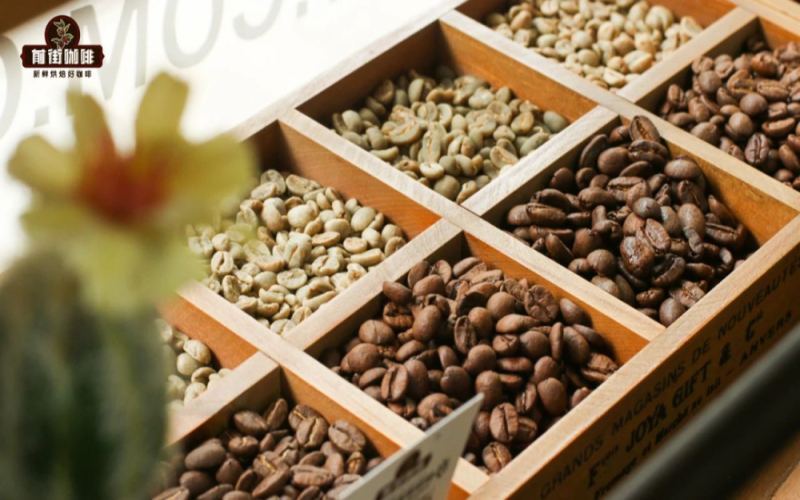
Light Roast Yirgacheffe Gedeb G1 Green Bean Review: Full Analysis of Three Profiles at the Same Roast Level with Cupping and Brewing
The Yirgacheffe region in Ethiopia is renowned for its bright fruity acidity and delicate floral aromas, and its Gedeb Cooperative stands out even further with a clean tea-like body and elegant citrus notes. Front Street Coffee sourced this Yirgacheffe Gedeb washed G1 coffee bean, grown at 1,900–2,300 meters, of the heirloom small-bean variety, with a defect rate controlled to within 3 beans per 300 grams. To find the optimal roasting approach, Front Street tested three light-roast profiles on a Yangjia 800N roaster, then verified the flavor performance through cupping and multiple brewing sessions. This article presents the full process—from green bean information, regional background, and grading standards to roasting curve comparisons, cupping records, and V60 brewing parameters—to help coffee enthusiasts understand the flavor differences and brewing key points of light-roasted beans at the same roast level. [more…]
Can Cuba Crystal Mountain coffee rival authentic Blue Mountain? A detailed explanation of its roasting curve and flavor performance
Cuban Crystal Mountain coffee, often called "Cuban Blue Mountain" on the market, is regarded as a top-tier coffee for its balanced, mellow taste, and is frequently mentioned alongside Jamaican Blue Mountain. This article starts with the growing environment and bean characteristics, then explains in detail why it suits medium-temperature roasting, and fully records the roasting data and cupping impressions of a City Roast. It also includes Front Street Coffee's recommendation for this bean and related information, helping coffee lovers gain a comprehensive understanding of the unique charm of Cuban Blue Mountain. [more…]
Colombia Huila Region Flower Moon Night Coffee Beans: A Complete Analysis of Anaerobic Natural Processing, Roasting Curve, and Pour-Over Parameters
The Huila Department of Colombia is renowned for its refined acidity and berry-like sweetness, while the Huayueye microlot bean further presents a complex profile of strawberry jam, liqueur-filled chocolate, and creamy fermentation through its anaerobic natural process. In this article, Front Street Coffee begins with Colombian coffee culture, reviewing the terroir of the Huila growing region, the characteristics of the Caturra variety, and the low-temperature slow fermentation processing at the Gading Farm, and also discloses the roasting curve of the Yangjia Pegasus 800N, the cupping results, and the V60 staged brewing parameters, providing coffee enthusiasts with a complete reference for tasting and hands-on practice. [more…]
Flavor Analysis of Honduran Specialty Coffee Beans: Litchi Orchid Rum Barrel Fermentation Process and Caturra Variety Characteristics
Honduras, as an important coffee-producing country in Central America, has secured a place in the global specialty coffee market thanks to its unique mountain climate and continuously improving processing techniques. In this issue, Front Street Coffee focuses on the Lychee Orchid coffee beans from the Masaguara Mocha Estate. These beans are processed using a refined washed method combined with low-temperature fermentation in brandy barrels, presenting soft lychee sweetness, honey notes, and the complex aroma of brandy and oak barrels. The article will systematically introduce the distribution of coffee-producing regions in Honduras, variety characteristics, and the principles of barrel fermentation, and through a comparison of two roasting curves by Front Street roasters, deeply analyze the specific effects of different development times on coffee flavor performance, providing coffee enthusiasts with practical brewing and tasting references. [more…]

The Flavor Code of Honduran Specialty Coffee Origins: A Complete Analysis of Sherry and Lychee Barrel-Fermented Beans
Driven by the third wave of coffee, barrel fermentation processing has become a highly anticipated innovative craft in recent years. Front Street Coffee's Honduras Sherry and Lychee Orchid barrel-fermented beans each impart unique wine aromas and layers to the coffee through whiskey barrels and brandy barrels, respectively. This article begins with the geography and varieties of Honduras's six major producing regions, outlines the development of its coffee industry and grading system, focuses on analyzing the principles of barrel fermentation and flavor differences, and provides a detailed record of the roasting curve comparison of Front Street's two beans, cupping performance, and flavor presentation in three brewing methods—V60, KONO, and Japanese-style iced pour-over—offering objective data references for coffee enthusiasts. [more…]
Rose Valley Flower Moonlight Coffee Beans Pour-Over Guide: A Complete Analysis of Anaerobic Enzyme Washed and Natural Processing Methods
Coffee enthusiasts' taste demands are becoming increasingly refined. The original terroir flavors produced by traditional washed and natural processing methods can no longer satisfy diverse expectations, and various specialty processing methods have emerged as a result. From the perspective of Front Street, this article systematically reviews the principles and classifications of anaerobic fermentation processing, compares the differences between natural fermentation and temperature-controlled fermentation, and provides an in-depth analysis of three processing workflows: anaerobic natural, anaerobic washed, and anaerobic enzyme-washed. At the same time, using Front Street Huayueye coffee beans from the Huila region of Colombia and Rose Valley coffee beans from Big Tree Estate as examples, it presents a complete approach from green bean processing to roasting curve selection, and then to pour-over parameter development, helping readers understand how specialty processing methods shape the flavors in the cup. [more…]
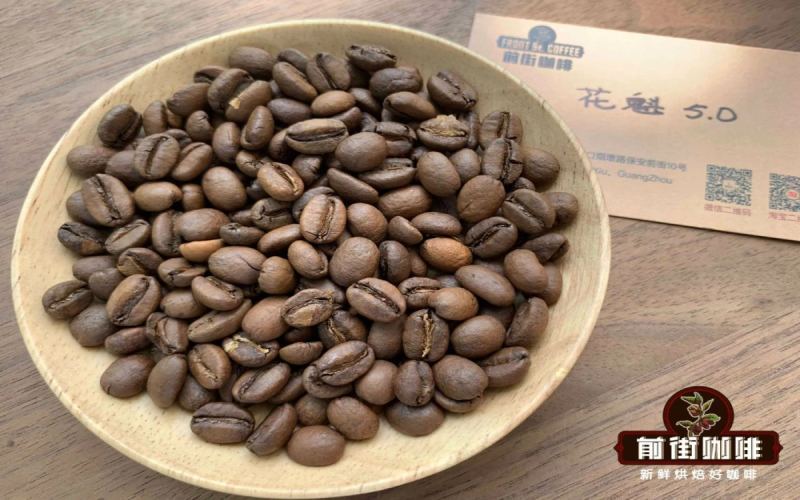
Analysis of Huakui Coffee Bean Roast Level and Flavor: A Guide to SOE Roast Profile Adjustments and Brewing Parameters
Huakui coffee beans originate from Hambela in the Sidama region of Ethiopia and are known for their berry cream and tropical fruit flavors. The degree of roast directly determines the direction of their flavor: a medium-light roast preserves bright acidity and floral-fruity aromas, while a medium-dark roast brings caramel and bitterness, masking the character of the origin. Front Street Coffee's roasters screened through cupping with three curves and ultimately determined the optimal roasting plan for Huakui, with the key points being the control of dehydration and yellowing, first crack timing, and development pace. This article will provide a complete analysis of Huakui's origin background, variety characteristics, and natural processing method, and will disclose Front Street Coffee's roasting curve data and V60 brewing parameters, helping coffee enthusiasts understand how to adjust the charge temperature and development time to release Huakui's layering and sweetness. [more…]
Honduras Lychee Orchid Brandy Barrel Fermented Beans Explained: Comparing with Panama 90+ Lychee Blue and Brewing Flavor
Front Street Coffee is often asked by customers whether the Lychee Orchid coffee beans in the shop and the 90+ Lychee Blue are the same coffee. In fact, the two are completely different in origin, variety, and processing method. Honduras Lychee Orchid is fermented in brandy barrels, presenting a rich vinous aroma and lychee sweetness; Panama 90+ Lychee Blue is a washed Geisha, with a flavor profile dominated by floral and citrus notes. This article will comprehensively analyze the flavor differences between these two coffee beans whose names differ by only one word, from origin background, variety characteristics, processing method differences, roasting curve comparison to brewing parameters, and share Front Street Coffee's practical experience and brewing suggestions. [more…]
Yirgacheffe Gedeb Gotiti Cooperative Coffee Beans: A Complete Guide to Light Roast Flavor Analysis and Brewing Parameters
The Yirgacheffe region of Ethiopia is famous for its bright fruit acidity and elegant floral aromas, and the Gedeb Cooperative, as a specialty micro-region that split off from Worka, produces washed G1 coffee beans that combine citrus acidity with a black tea finish. Using this coffee as an example, Front Street Coffee presents the complete journey of a light-roasted Yirgacheffe from green bean to cup, covering the region's background, variety and grade, roast profile design, cupping comparisons, V60 brewing parameters, and flavor performance at different water temperatures. This article is suited for coffee enthusiasts who wish to gain a deeper understanding of the details of Ethiopian coffee origins and the logic of light-roast brewing. [more…]
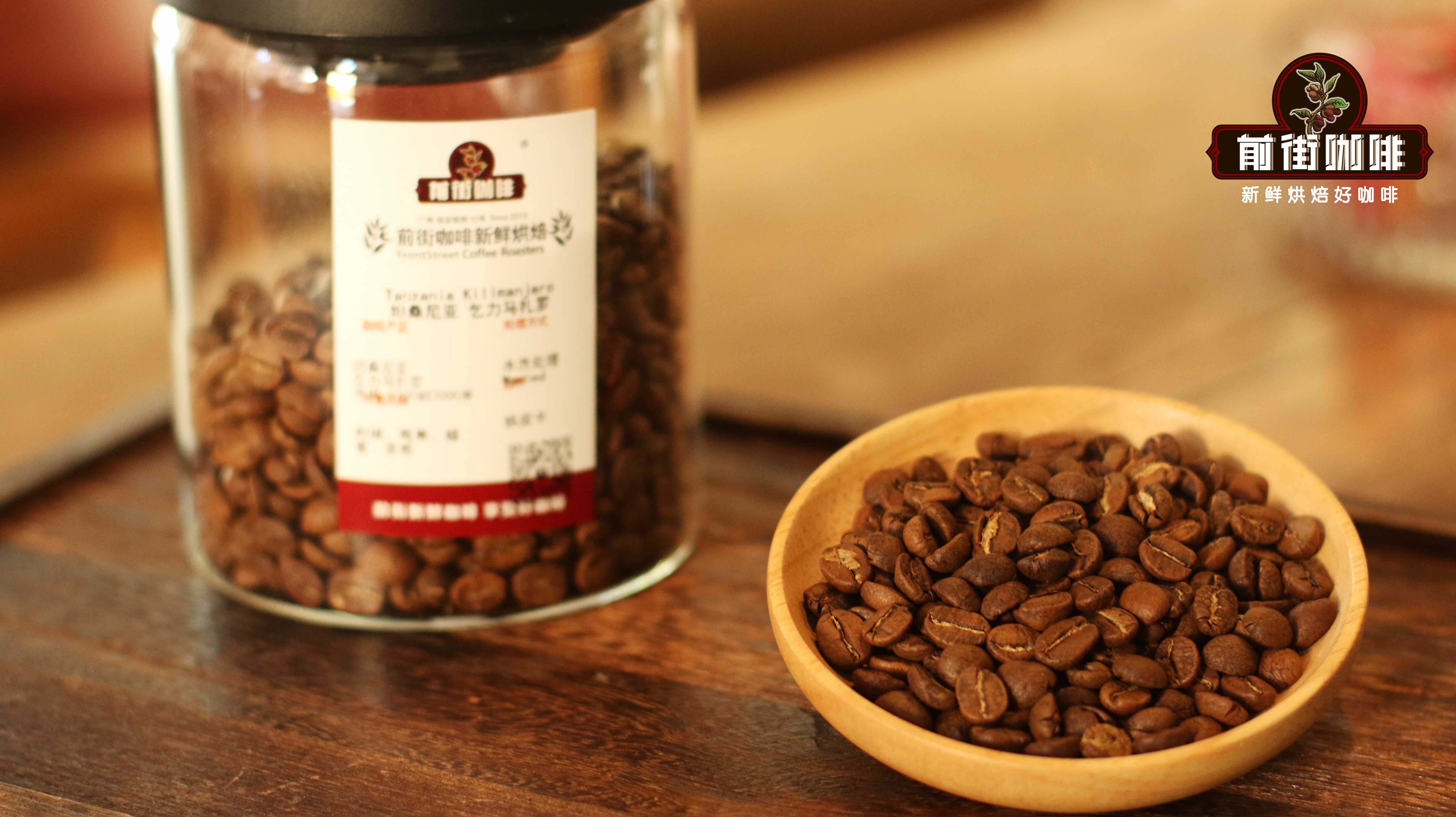
Tanzania Kilimanjaro Coffee Pour-Over Tutorial: From Roast Curve to Detailed Three-Stage Pour Parameters
Tanzanian Kilimanjaro coffee is renowned for its soft acidity and rich red wine notes, and is hailed as the "gentleman of coffee." Through repeated roasting adjustments and cupping evaluations, Front Street Coffee has determined the optimal pour-over recipe for this washed Bourbon bean. This article breaks down, step by step, the growing region background, variety characteristics, grading system, roasting curve, and V60 three-pour brewing parameters, giving you a complete understanding of Kilimanjaro coffee's flavor code and operational details. It is a useful reference for coffee enthusiasts who want to refine their pour-over technique. [more…]
PWN Golden Mandheling | Where is the Indonesian Golden Mandheling coffee producing region? Introduction to Golden Mandheling green bean processing method, roasting curve, cupping flavor, and pour-over parameters
PWN Golden Mandheling 01 | Origin Introduction Indonesia's main coffee-producing regions are Sumatra, Java, and Sulawesi, with Mandheling from Sumatra being the most famous. Mandheling, also known as Sumatra coffee, North Suma [more…]
Geisha Coffee Roasting Curve and Flavor Analysis of Processing Methods: From Hacienda La Esmeralda to Front Street Brewing Parameters
Geisha coffee is renowned for its jasmine aroma, citrus-honey sweetness, and clean, delicate mouthfeel, often described as a coffee that doesn't taste like coffee. This article centers on roasting approaches for Geisha coffee, explaining why Front Street Coffee chooses a medium-light roast to preserve the fine acidity and floral-fruity aromas, and detailing the flavor differences of Geisha from producing regions such as Panama, Costa Rica, and Colombia. It also outlines the process characteristics of washed and natural processing methods, shares Front Street's grinding size, water temperature, coffee-to-water ratio, and three-stage pouring technique for brewing Geisha, along with practical advice on coffee bean freshness and the resting period, making it suitable for coffee enthusiasts to gain a systematic understanding of Geisha coffee. [more…]
The acidity in SOE Americano is hidden in the roasting curve.
SOE americano is not a fixed flavor—whether it tastes "sour" depends first on how dark the coffee beans are roasted. Light roasts preserve more of the origin's natural fruit acidity and floral notes, medium roasts pull sweetness, body, and acidity into a more balanced position, and dark roasts move toward cacao, nuts, and caramel. If you want something smooth and easy to drink, start with the roast level. [more…]